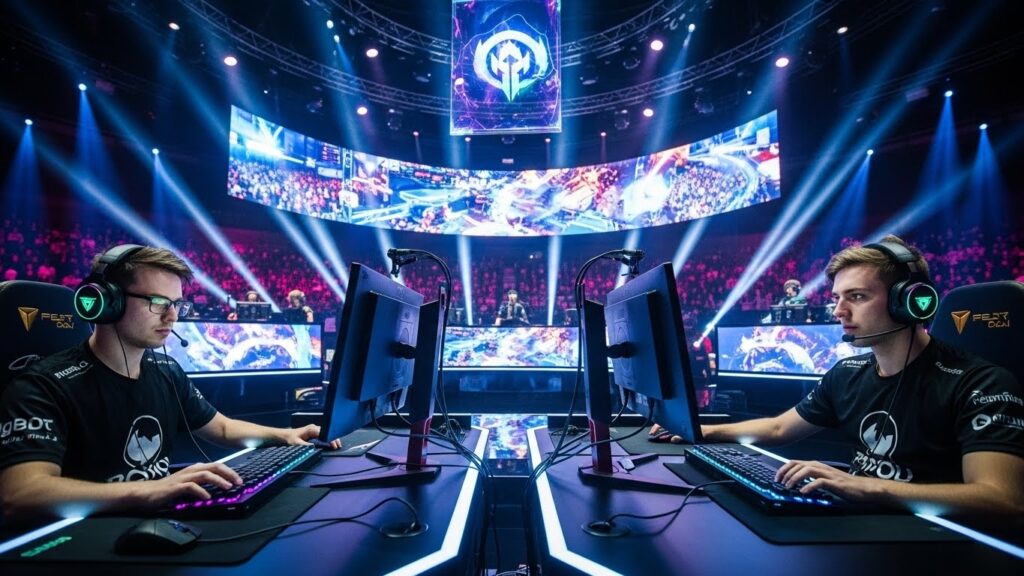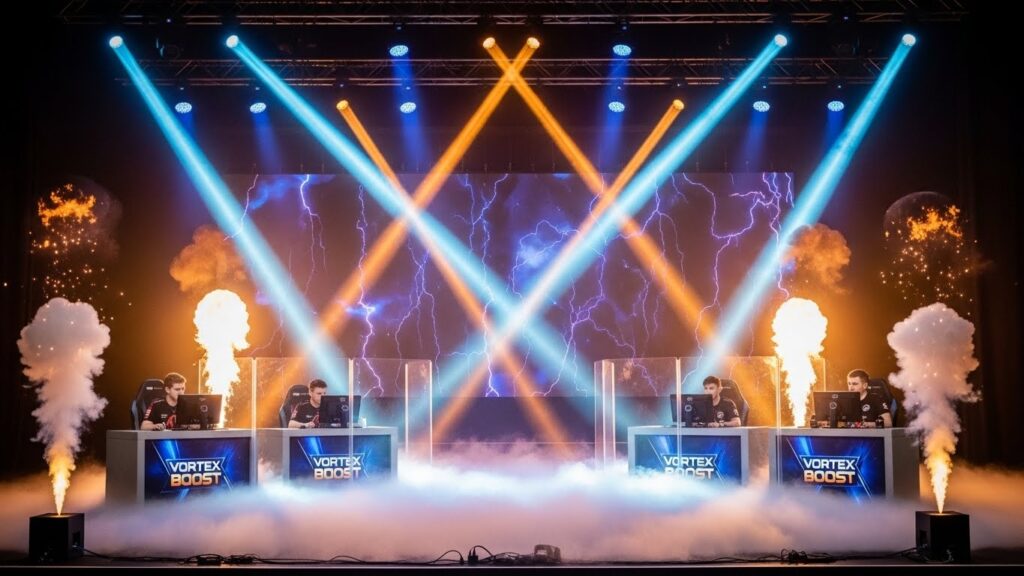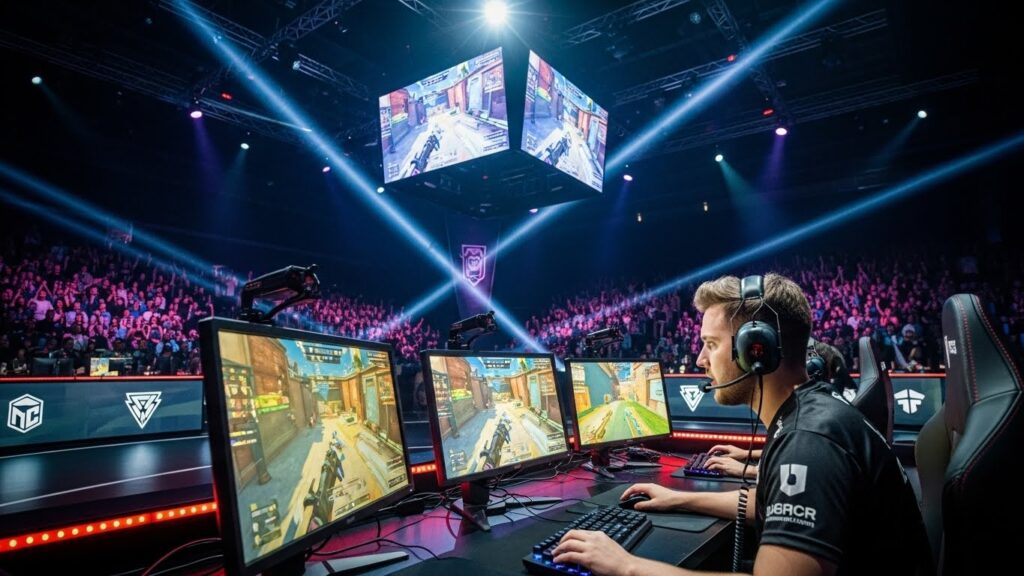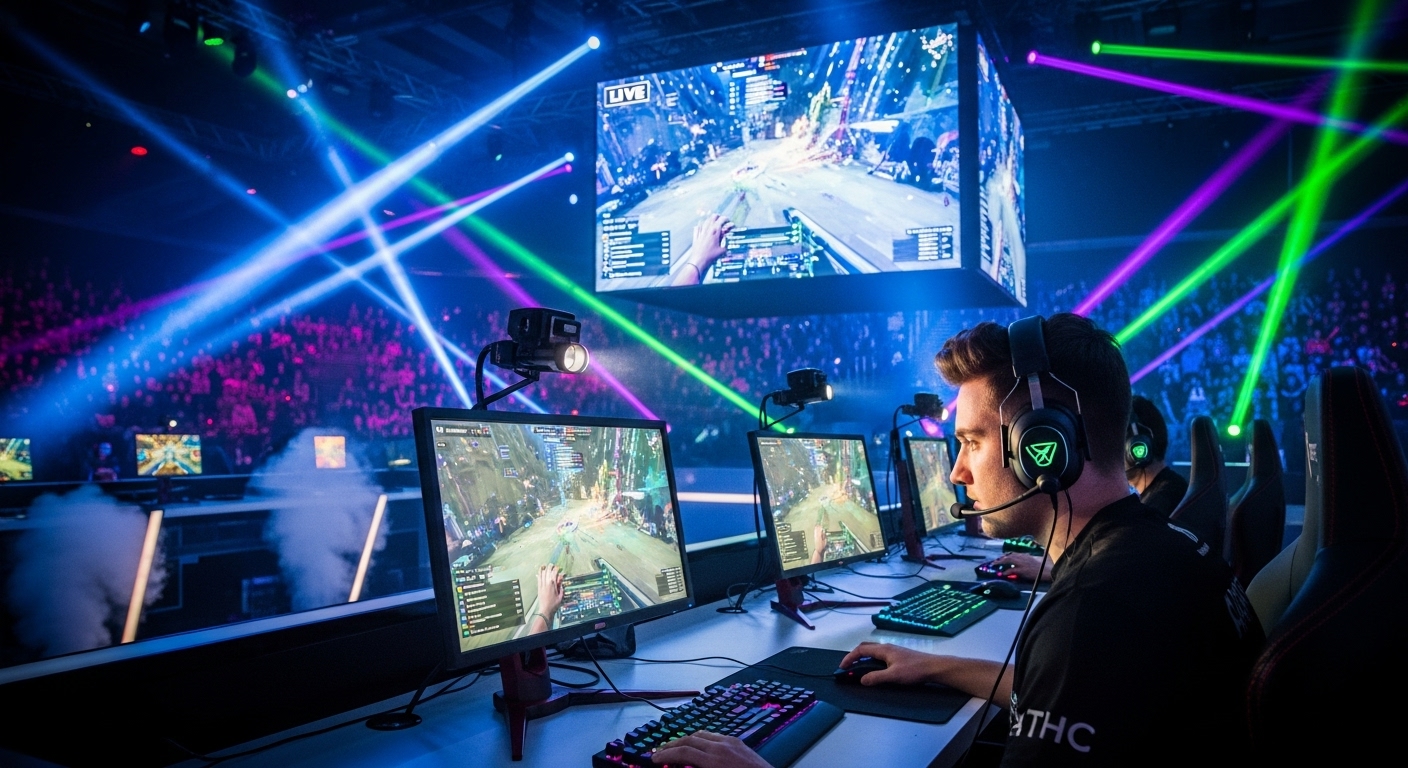
In recent years, esports has transitioned from a niche hobby into a global phenomenon that captures the attention of millions worldwide. Competitive gaming, once seen as a pastime for a few passionate gamers, has now become a professional industry with players, teams, and tournaments operating at a scale rivaling traditional sports. The rise of esports represents a shift in entertainment, culture, and technology, demonstrating how digital innovation can redefine entire industries.
The Evolution of Esports
Esports, short for electronic sports, began as casual competitions in arcade and local video game settings. Early gaming tournaments in the 1980s and 1990s, such as the Space Invaders Championship, were small-scale events with limited recognition. However, with the advent of the internet, online multiplayer games like StarCraft, Counter-Strike, and Warcraft became competitive platforms, enabling gamers from across the globe to challenge one another.
The 2000s saw a significant expansion in esports infrastructure. Dedicated leagues and professional teams emerged, particularly in South Korea, where games like StarCraft became national spectacles. The professionalization of esports created new career paths for players, coaches, and commentators, and it laid the foundation for the expansive tournaments we see today.
The Role of Streaming Platforms
One of the key drivers of esports’ popularity has been the rise of streaming platforms. Websites like Twitch, YouTube Gaming, and more recently, platforms integrated with social media, allow millions of viewers to watch live gameplay from anywhere in the world. Streaming has transformed gaming into an interactive experience, where viewers can engage with players, comment in real-time, and even influence matches.
The symbiotic relationship between esports and streaming platforms has elevated the visibility of professional gamers, turning some into household names. Popular streamers have become influential figures, shaping gaming culture, trends, and even game development itself.
Popular Esports Games
Esports encompasses a wide range of genres and titles, each with unique mechanics and audiences. Multiplayer Online Battle Arenas (MOBAs) like League of Legends and Dota 2 are among the most watched and played games, offering complex strategies and team-based gameplay. First-Person Shooters (FPS) such as Counter-Strike: Global Offensive, Call of Duty, and Valorant appeal to fans who enjoy precision, reflexes, and tactical teamwork.
Battle royale games like Fortnite and Apex Legends have also made significant contributions to esports by blending fast-paced action with large-scale competitions. Sports simulation games, including FIFA and NBA 2K, have bridged the gap between traditional sports fans and esports enthusiasts, highlighting the versatility and appeal of competitive gaming.
Esports Tournaments and Leagues
Esports tournaments are now major events, attracting massive audiences both online and in physical arenas. Some tournaments, such as The International for Dota 2 and the League of Legends World Championship, offer prize pools exceeding tens of millions of dollars, rivaling or surpassing traditional sports competitions.
Professional esports leagues, such as the Overwatch League and the Call of Duty League, have adopted seasonal formats similar to traditional sports leagues. Teams compete in structured schedules, with playoffs and championships culminating in global events that draw millions of viewers. Sponsorships, advertising, and merchandising contribute significantly to the revenue streams of these leagues, making esports a highly profitable industry.
The Business of Esports
The commercialization of esports has created opportunities for investors, brands, and entrepreneurs. Sponsorship deals with gaming peripherals, energy drinks, apparel, and technology companies are common, as brands seek to tap into the growing gaming audience. Advertisements during live streams and tournaments further enhance the financial ecosystem surrounding esports.
Professional teams operate like traditional sports franchises, investing in player development, marketing, and infrastructure. Esports organizations also focus on cultivating fan communities, creating content, and hosting events to maintain engagement. The global esports market has grown exponentially, with estimates projecting continued expansion as mainstream acceptance rises.
The Cultural Impact of Esports
Esports has had a profound impact on global culture, influencing music, fashion, and social trends. Gaming-inspired merchandise, cosplay, and fan art have become integral components of the esports community. The competitive gaming scene has also fostered international collaboration and cultural exchange, as players and fans from diverse backgrounds come together through shared interests.
Moreover, esports has challenged traditional notions of sports and competition. It has demonstrated that skill, strategy, and teamwork are not exclusive to physical activities but can thrive in digital environments. This shift has contributed to the normalization of gaming as a legitimate career path and form of entertainment.
Training and Professionalism in Esports
Professional esports players undergo rigorous training regimens similar to traditional athletes. Top players dedicate hours each day to practice, strategy development, and team coordination. Physical fitness, mental health, and nutrition are increasingly recognized as critical components of a professional gamer’s lifestyle, emphasizing the importance of holistic preparation.
Coaches and analysts play essential roles, studying game mechanics, opponents’ strategies, and performance metrics to optimize team performance. The professionalization of esports has led to the emergence of specialized roles, including shoutcasters, commentators, and content creators, all contributing to the ecosystem.
Challenges Facing Esports
Despite its rapid growth, esports faces several challenges. One significant concern is the mental and physical health of players. Long hours of practice, high-pressure competitions, and online scrutiny can lead to burnout, anxiety, and repetitive strain injuries. Organizations are increasingly implementing wellness programs and support systems to address these issues.
Another challenge is the lack of standardized regulations across different regions and games. While some leagues have structured contracts, salaries, and player protections, others operate with limited oversight. Ensuring fair play, preventing cheating, and maintaining integrity in esports competitions remain ongoing priorities for the industry.
The Role of Technology in Esports
Technology is at the heart of esports, enabling high-level competition and global connectivity. Advancements in gaming hardware, including powerful graphics cards, high-refresh-rate monitors, and precise input devices, have enhanced gameplay performance. Internet infrastructure improvements ensure low-latency connections, which are critical for competitive matches.
Artificial intelligence and data analytics are increasingly used to study player behavior, optimize strategies, and improve spectator experiences. Virtual and augmented reality technologies also hold the potential to redefine esports, offering immersive environments for players and audiences alike.
The Future of Esports
The future of esports looks promising, with continued growth in audience size, revenue, and mainstream recognition. Esports is likely to expand into new regions, attract more corporate investment, and integrate with emerging technologies such as virtual reality, cloud gaming, and AI-driven coaching tools.
Educational institutions are beginning to recognize esports programs, offering scholarships and structured training for aspiring players. This development underscores esports’ legitimacy as a career and its potential to foster professional growth beyond gaming.
Moreover, the convergence of esports with entertainment, media, and traditional sports presents exciting possibilities. Crossovers between esports and music, movies, or live events can further broaden its appeal, creating a multifaceted ecosystem that transcends conventional gaming.
Conclusion
Esports has evolved from modest beginnings into a dynamic, global industry that blends competition, technology, and culture. Its growth reflects broader shifts in how people consume entertainment, interact online, and perceive professional achievement. As esports continues to gain mainstream acceptance, it offers exciting opportunities for players, fans, and businesses alike.
From the passionate fan cheering for their favorite team to the professional gamer dedicating countless hours to perfecting their skills, esports embodies the spirit of modern competition. Its rise is a testament to the transformative power of digital innovation and the enduring appeal of human skill, strategy, and teamwork in the virtual arena.